

Shabby Chic Interior Style: How to Create a Soft and Timeless Interior

Shabby chic is more than a decorative style — it is a way of living, an invitation to embrace softness, imperfection, and quiet elegance. Rooted in the idea of beauty through time, shabby chic interiors combine vintage charm with delicate femininity, creating spaces that feel both lived-in and effortlessly refined.
Discover how to mix vintage charm, neutral tones, and modern simplicity to design a timeless interior.
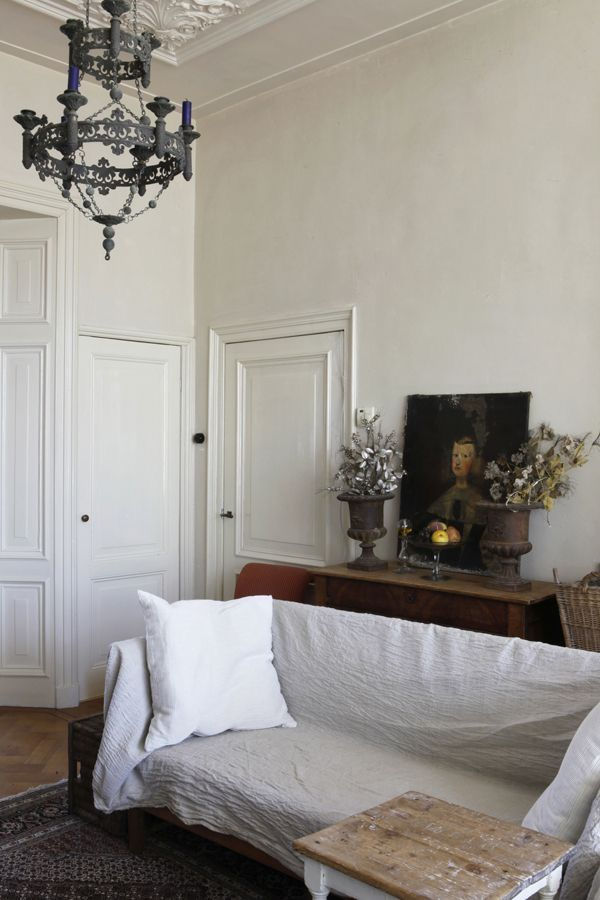
What Is Shabby Chic Style?
Shabby chic emerged in the late 20th century, inspired by old English country houses, where furniture aged naturally and interiors reflected a sense of history and comfort. The term itself evokes a contrast: “shabby” suggesting wear and patina, while “chic” introduces a layer of elegance and intention.
At its core, shabby chic is about balance — between old and new, rustic and refined. It celebrates distressed finishes, soft color palettes, and antique or vintage-inspired pieces, often with a romantic, almost nostalgic atmosphere.
Think of weathered wood, linen fabrics, faded florals, and objects that seem to carry stories. It is not about perfection, but about authenticity.
How to Adopt Shabby Chic Without Overdoing It
One of the most common mistakes with shabby chic interiors is excess. Too many distressed elements, too many pastel tones, or an overload of decorative objects can quickly make a space feel cluttered or outdated.
To create a modern shabby chic interior, restraint is key.
Start with a neutral base — whites, creams, soft greys, and muted tones. Let your walls and larger furniture pieces remain simple and light, allowing smaller details to bring character.
Introduce vintage elements gradually. A single antique chair, a weathered wooden table, or a distressed mirror can be enough to set the tone without overwhelming the space.
Balance is essential: pair aged pieces with clean lines. For example, combine a vintage wooden dresser with a more contemporary sofa, or place delicate ceramics on a minimalist shelf. This contrast keeps the aesthetic fresh and intentional.
Choosing the Right Furniture for a Shabby Chic Style
Furniture plays a central role in defining a shabby chic interior. The goal is to select pieces that feel authentic, slightly imperfect, yet elegant.
Look for:
Distressed wooden tables or cabinets
Vintage armchairs with soft upholstery
Iron or brass bed frames
Painted furniture with a patina effect
Light, linen-covered sofas
Materials should feel natural and tactile. Wood, linen, cotton, and ceramic are essential elements that reinforce the softness of the style.
Avoid overly ornate or heavy furniture. Instead, focus on pieces that feel light, both visually and emotionally.
Where to Find Shabby Chic Pieces
Creating a shabby chic interior often means mixing sources and embracing the unexpected.
You can explore:
The beauty of shabby chic lies in curation. Each object should feel chosen, not accumulated.

Textiles and Decorative Details
Textiles are essential in creating the soft, layered atmosphere that defines shabby chic interiors.
Opt for:
Linen curtains that let natural light flow
Soft throws in neutral tones
Cushions with subtle floral or faded patterns
Light, airy bedding
Decorative objects should remain minimal yet meaningful. A ceramic vase, a stack of old books, or a gently aged frame can bring depth without creating visual noise.
Finding Inspiration for a shabby chic decoration
To refine your vision, look beyond trends and focus on timeless references.
Shabby chic draws inspiration from:
English countryside homes
French provincial interiors
Vintage photography and old magazines
Nature itself — faded colors, worn textures, organic forms
Platforms like Pinterest or curated interior blogs can help you visualize compositions, but always filter inspiration through your own sensibility.
Shabby Chic Style: A Style Rooted in Emotion
Ultimately, shabby chic is not about replicating a look — it is about creating a feeling. A home that feels calm, warm, and deeply personal.
It invites you to slow down, to appreciate the beauty of imperfection, and to surround yourself with objects that carry meaning.
In a world often driven by newness and perfection, shabby chic reminds us that true elegance lies in authenticity — in spaces that are not only styled, but lived.


Comments