

Silent Elegance: Integrating Art Into a Hotel Interior

In today’s luxury hospitality industry, exceptional service alone is no longer enough to create a memorable guest experience. Modern travelers seek atmosphere, emotion, and visual identity. They want to feel inspired the moment they walk through the doors of a hotel. This is where art becomes essential.
From boutique hotels to five-star resorts, contemporary art has become one of the most powerful elements in hotel interior design. Carefully selected artwork transforms spaces, creates emotional connection, and gives a property a unique personality.
More than decoration, art becomes part of the guest experience itself.
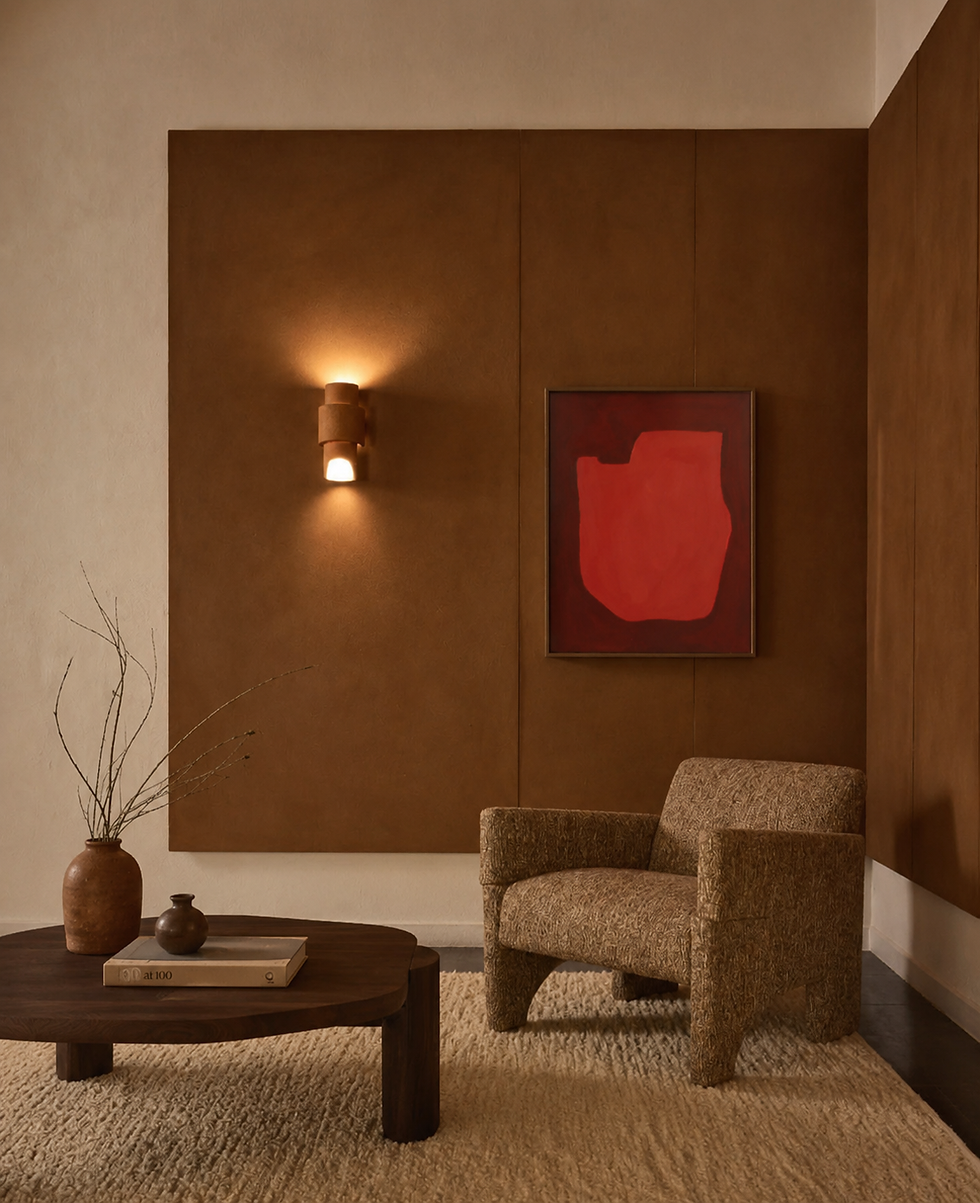
Why Art Matters in Luxury Hotel Design
The most elegant hotels understand that interiors should tell a story. Furniture, lighting, textures, and architecture all contribute to the atmosphere, but artwork introduces something deeper: emotion and identity.
A thoughtfully curated painting in a lobby, a sculptural piece in a suite, or minimalist wall art in a hallway can instantly elevate the perception of luxury.
Art softens spaces, creates focal points, and brings warmth to contemporary interiors that might otherwise feel impersonal.
In luxury hospitality design, visual harmony is essential. Artwork helps establish that harmony while reinforcing the hotel's brand image. Whether the atmosphere is minimalist, modern, organic, or sophisticated, art provides cohesion between the interior design and the emotional experience of the guest.
Hotels that integrate original artwork often appear more refined, exclusive, and memorable. Guests are increasingly drawn to spaces that feel curated rather than standardized.
Creating an Emotional Experience Through Art
One of the greatest strengths of art in hotel interiors is its ability to create emotion without words. Colors, textures, movement, and composition influence how guests feel within a space.
Soft neutral abstract paintings can create calm and serenity in suites and wellness areas. Bold contemporary pieces may energize a lobby or restaurant. Textured minimalist artwork introduces quiet sophistication while maintaining a timeless aesthetic.
This emotional dimension is particularly important in modern luxury hotels, where guests seek more than accommodation. They seek atmosphere, inspiration, and sensory comfort.
Art also encourages guests to slow down and engage with their surroundings. In a world dominated by digital experiences, physical artwork introduces authenticity and human connection into hospitality spaces.
The Role of Art in Boutique Hotels
Boutique hotels have played a major role in redefining the relationship between art and hospitality. Unlike traditional hotels that often prioritize uniformity, boutique properties embrace individuality and artistic expression.
Many boutique hotels now collaborate directly with contemporary artists to create exclusive collections, custom commissions, or immersive artistic environments. This approach allows hotels to stand out in a competitive hospitality market while offering guests a more personal experience.
Original art creates storytelling opportunities throughout the property. A hotel interior enriched with carefully chosen artwork feels intentional and distinctive rather than purely functional.
For smaller luxury hotels, art also becomes a branding tool. Guests remember unique spaces and often share them across social media platforms, increasing visibility and reinforcing the hotel’s visual identity online.

How to Integrate Art Into a Hotel Interior
Successful integration of art requires more than simply hanging paintings on walls. Artwork should interact naturally with the architecture, lighting, materials, and atmosphere of the space.
1. Choose Art That Reflects the Hotel’s Identity
Every hotel has its own visual language. A coastal resort may favor organic textures and calming tones, while an urban luxury hotel may lean toward bold contemporary works.
The artwork should reinforce the emotional identity of the property. Consistency between design and art creates a more immersive guest experience.
2. Prioritize Scale and Placement
Large-scale artwork can transform a lobby or reception area into a statement space. In guest rooms, softer compositions often create intimacy and comfort.
Hallways, lounges, restaurants, spas, and suites each require different artistic approaches. Placement should feel balanced and intentional rather than excessive.
3. Use Art to Create Atmosphere
Art has the power to influence mood. Minimalist abstract paintings often work beautifully in luxury hotel interiors because they create elegance without overwhelming the space.
Neutral palettes, textured surfaces, and contemporary compositions contribute to a timeless atmosphere that appeals to international guests.
4. Invest in Original Artwork
Original art immediately elevates the perception of exclusivity. Guests can often sense the difference between mass-produced decoration and authentic artistic expression.
Collaborating with artists also allows hotels to develop a stronger cultural and emotional identity.

Contemporary Art and the Future of Hospitality
As hospitality continues to evolve, art is becoming increasingly central to luxury hotel design. Travelers today value authenticity, aesthetics, and meaningful experiences more than ever before.
Hotels are no longer viewed simply as places to sleep. They have become immersive environments where design, architecture, and art work together to create unforgettable moments.
The integration of contemporary art into hotel interiors reflects a broader shift toward experiential luxury. Guests seek spaces that inspire emotion, creativity, and beauty.
In this context, silent elegance becomes a defining characteristic of sophisticated hospitality design. Art does not need to dominate a room to leave a lasting impression.
Sometimes the most powerful luxury is subtle — a quiet atmosphere, balanced textures, natural light, and a carefully chosen artwork that transforms an entire space.

Integrating art into a hotel interior is about far more than decoration. It is about creating identity, emotion, and atmosphere. Whether through minimalist paintings, contemporary sculptures, or textured abstract works, art has the power to elevate hospitality spaces into memorable experiences.
The most refined hotels understand that luxury is often found in details — and art remains one of the most timeless and powerful details of all.
In modern hotel interior design, silent elegance speaks louder than excess.


Comments