

Ludwig Mies van der Rohe: The Architect of Modern Elegance

Few figures have shaped modern architecture and interior design as profoundly as Ludwig Mies van der Rohe.
His philosophy — often summarized by the phrase “less is more” — continues to resonate strongly within today’s contemporary interiors, luxury residences, and design-led hospitality spaces.
Why Ludwig Mies van der Rohe Became Renowned
Born in Germany in 1886, Mies van der Rohe rose to prominence during the early 20th century as one of the pioneers of the International Style. His career spanned Europe and the United States, notably marked by his role as the last director of the Bauhaus before its closure in 1933.
What set Mies apart was his radical clarity.
At a time when architecture was often decorative and ornate, he stripped buildings down to their essence — structure, proportion, light, and material. Steel, glass, marble, and leather became his vocabulary. Rather than hiding construction elements, Mies celebrated them, allowing materials to express their true nature.
This architectural honesty resonated deeply in a world seeking modernity, progress, and functional beauty. His buildings were not just shelters; they were statements about how modern life should be lived.

Iconic Architectural Works That Defined Modernism
Among Mies van der Rohe’s most celebrated works is the Barcelona Pavilion (1929), originally designed for the International Exposition in Spain. With its open plan, floating roof, and luxurious materials such as travertine and onyx, the pavilion remains a timeless manifesto of modern architecture. It demonstrated that minimalism could be both radical and deeply refined.
Another landmark is the Farnsworth House in Illinois, a glass-and-steel residence elevated above the ground. Often described as a “house as a concept,” it blurs the boundary between interior and exterior, emphasizing transparency and harmony with nature.
In urban architecture, Mies transformed city skylines with projects such as the Seagram Building in New York. Its bronze-toned steel frame and disciplined geometry set new standards for skyscraper design and corporate elegance, influencing generations of architects worldwide.
@Farnsworth House

Mies van der Rohe’s Most Iconic Furniture Pieces
Beyond architecture, Mies van der Rohe left an indelible mark on furniture design. His pieces are now considered design classics and remain highly sought after.
The Barcelona Chair, designed in 1929, is perhaps his most famous creation. With its elegant X-shaped steel structure and hand-tufted leather cushions, the chair embodies modern luxury. It was conceived not as a casual seat, but as a ceremonial object — a throne for modern times.
Equally iconic is the Brno Chair, characterized by its cantilevered steel frame and refined simplicity. Lightweight yet sculptural, it perfectly illustrates Mies’s belief that structure itself could be beautiful.
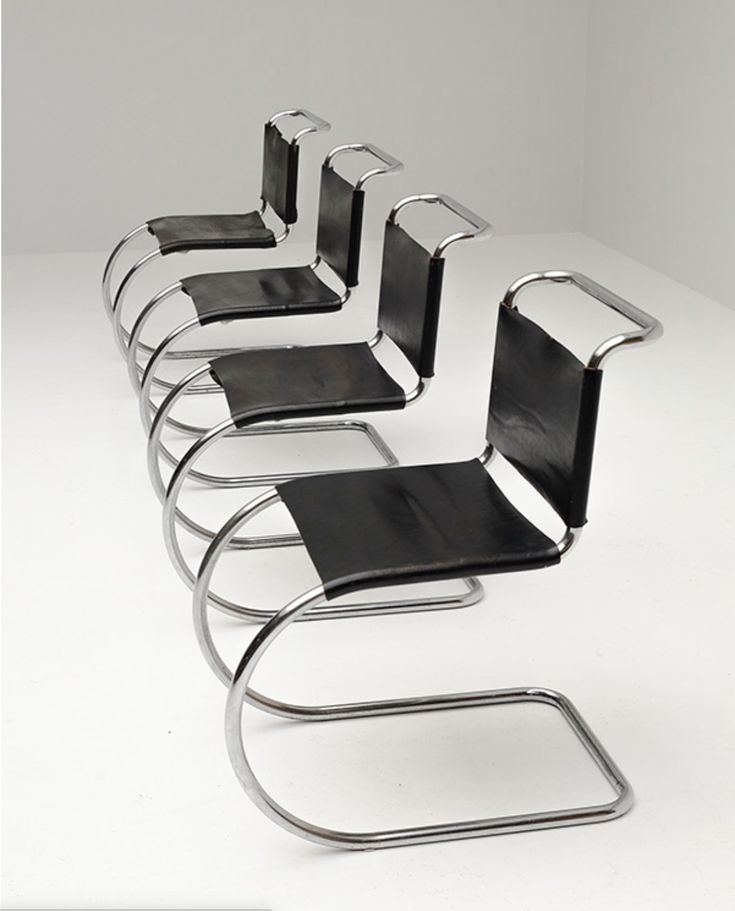
The MR Chair and Tugendhat Chair further demonstrate his mastery of proportion, balance, and comfort, proving that modernist furniture could be both functional and sensuous.
Why Mies van der Rohe Still Inspires Contemporary Interiors
In high-end contemporary homes, Mies van der Rohe’s influence is often subtle yet unmistakable. His work speaks to brands and designers seeking timeless sophistication, architectural clarity, and emotional restraint.
Luxury today is about space, light, and material integrity — principles that Mies mastered decades ago and that remain central to modern design narratives.
Example 1: A Minimalist Living Room with Architectural Balance
In a contemporary city apartment with floor-to-ceiling windows, a Barcelona Chair placed near natural light instantly transforms the living space. Surrounded by neutral walls, stone flooring, and curated contemporary art, the chair acts as a sculptural object rather than simple seating.
Brands working with modern luxury interiors understand this approach: fewer pieces, stronger identity. Here, Mies van der Rohe’s design becomes a visual anchor, reinforcing a lifestyle centered on calm, clarity, and intentional living.
This type of interior appeals strongly to design-conscious brands, real estate developers, and luxury furniture houses seeking authenticity and cultural depth.

Example 2: Contemporary Hospitality Inspired by Mies van der Rohe
In boutique hotels and high-end lounges, Mies-inspired furniture often appears in reception areas or private suites. A Brno Chair paired with marble tables, soft textiles, and curated lighting creates an atmosphere of understated elegance.
Such spaces feel neither cold nor overly styled. Instead, they express confidence and permanence — values increasingly sought after by luxury hospitality brands aiming to differentiate themselves through design rather than decoration.
Mies van der Rohe’s pieces work seamlessly in these environments because they elevate the space without overpowering it.

Example 3: Modern Workspaces and Creative Studios
In contemporary offices and creative studios, Mies van der Rohe’s influence supports productivity and visual harmony. A minimalist meeting room featuring MR Chairs, glass partitions, and steel details reflects a strong architectural identity.
Brands operating in the creative, fashion, or art sectors often gravitate toward this aesthetic. It communicates discipline, modernity, and intellectual rigor — qualities that align naturally with premium brand positioning.

How Contemporary Brands Can Reinterpret Mies Today
Forward-thinking brands reinterpret Mies van der Rohe’s legacy by combining his iconic designs with modern materials, sustainable practices, and contemporary art. The contrast between classic modernist furniture and bold abstract artworks creates interiors that feel both rooted and current.
This dialogue between heritage and innovation is especially attractive to luxury brands seeking to tell meaningful stories through their spaces — whether in flagship stores, private residences, or hospitality projects.
Why Mies van der Rohe Remains a Powerful Reference for Brands
Mies van der Rohe’s work offers brands something rare: timeless credibility. His designs communicate luxury without logos, prestige without excess, and sophistication without noise.
For brands looking to align with values of longevity, craftsmanship, and refined modern living, Mies van der Rohe remains not just an influence — but a benchmark.

Integrating Mies van der Rohe into contemporary interiors is not about nostalgia; it is about continuity. His vision supports today’s shift toward meaningful luxury — where every object has purpose, every space breathes, and design serves life.
For modern brands, designers, and tastemakers, Mies van der Rohe continues to offer a powerful language of elegance, restraint, and enduring relevance.

Shop :


Comments